
Medicaid helped keep Jeff alive. Now he is afraid he will die without it.
By Whit Sides, Cover Alabama storyteller, Alabama Arise
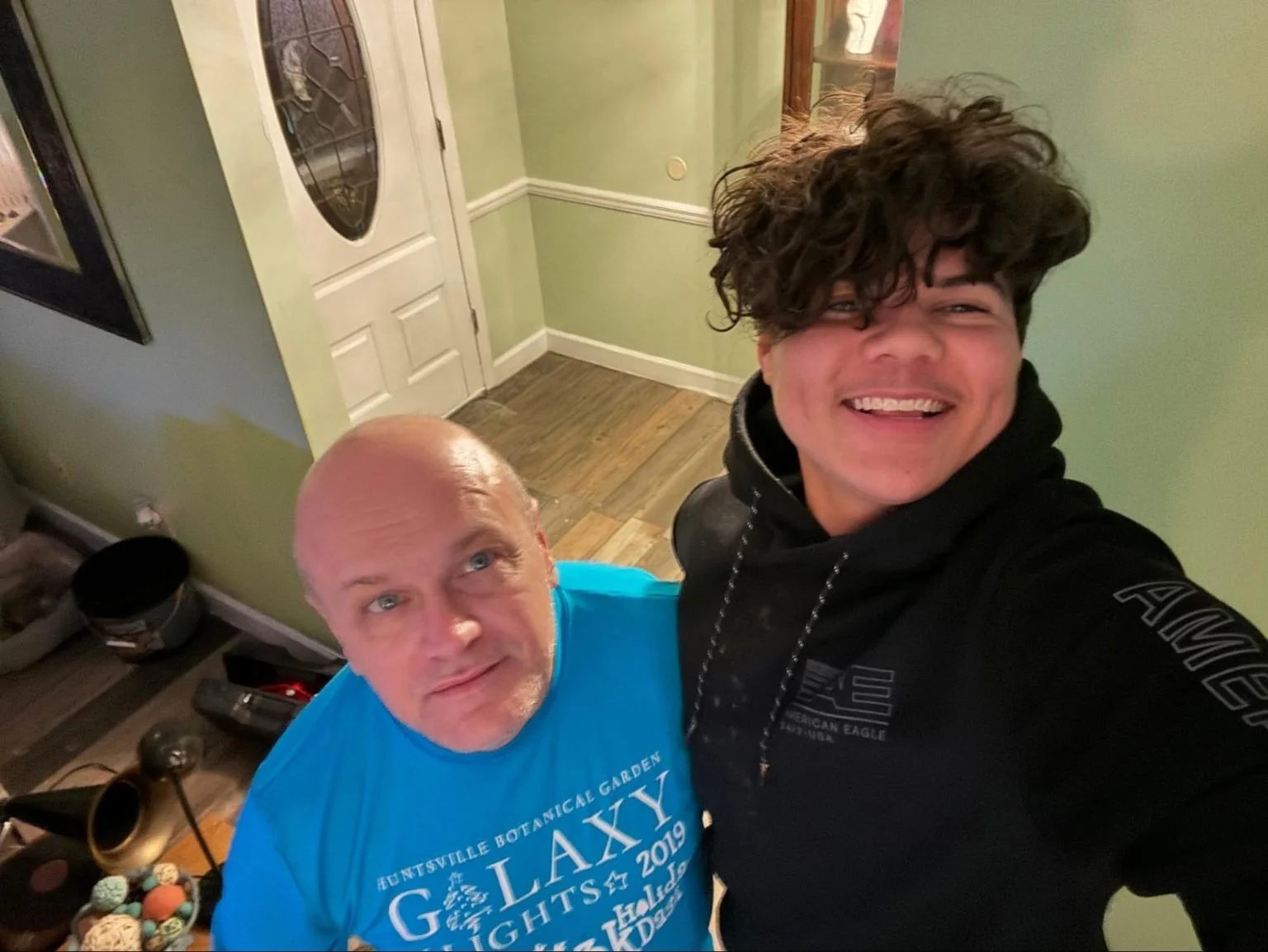
Jeff Mooneyham and his son take a selfie in their kitchen in Crossville, a small town in northeast Alabama. In October 2026, Jeff lost the Medicaid coverage that helped him afford medicine and necessary healthcare. (Courtesy of Jeff Mooneyham)
When Jeff Mooneyham learned his Medicaid coverage was about to end, he went to his pharmacist. He asked for anything that could be filled before the deadline, especially prescriptions that would give him a 90-day supply.
They did what they could, Jeff said. It wasn’t much.
Jeff lives with heart failure, diabetes and persistent mental health symptoms. He cannot work. His disability application is still pending. And on Saturday, Oct. 31, he lost the health coverage that has helped him stay alive through all of it.
“Had it not been for having Medicaid, I probably would be dead,” he said.
Jeff lives in Crossville, a small town in DeKalb County in northeast Alabama. He spent years working as a nurse practitioner, treating patients and helping them find care they could afford. He retired after becoming disabled and now is making those calls for himself, trying to piece together a way to keep seeing his doctors and taking his medicines after his benefits end.
Jeff is a foster dad, and he has received coverage for both himself and his son through Alabama Medicaid. But last month, Jeff said, he lost Medicaid because his son turned 19 and rolled off the program.
Losing coverage as health challenges mount
The timing couldn’t be worse. A viral illness attacked Jeff’s heart in December. He developed myocarditis – an inflammation of the heart muscle – and heart failure. Doctors found blood clots in his lungs and left arm.
Before that illness, Jeff had been walking 3 miles a day, five days a week, and participating in 5K events. Now, he said, he cannot walk two blocks without struggling for breath and wondering whether he can make it back to his porch.
Medicaid has helped Jeff receive care for his heart while continuing treatment for diabetes and his mental health. His blood sugar readings recently improved to the range his doctor wanted. But now he does not know how he will afford insulin when the supply he has runs out.
Jeff faces the same uncertainty with his heart medicines, psychiatric treatments and visits with the doctors managing his conditions. Losing coverage could be catastrophic and erase progress just as parts of his health have begun to stabilize.
Jeff understands those stakes as both a patient and a healthcare professional. He has been a nurse since he was 20 and has worked in long-term care and rehabilitation facilities. Most recently, he worked as a nurse practitioner, treating patients with low incomes at a federally qualified community health clinic in Walnut Grove, a small town west of Gadsden.
Becoming a nurse practitioner offered Jeff a sense of purpose and a career he enjoyed. Illness and disability took it all away.
“I would much rather be doing what I loved,” he said.
Jeff said he has experienced recurring episodes of mental illness since his 30s. Symptoms returned around the beginning of the COVID-19 pandemic and persisted despite treatment attempts with several medications. In June 2024, he resigned because he no longer felt he could practice safely.
Medicaid provided stability during difficult times
Leaving the job meant losing his health insurance, too. Jeff looked for a Marketplace plan on Healthcare.gov, but he said he saw prices around $1,200 a month and did not qualify for premium subsidies. Fortunately, both he and his son qualified for Alabama Medicaid at that time.
Jeff lost several people he had counted on during those years of illness. Both his father and grandmother died in 2020. Then his mother died unexpectedly in 2024. She was the person he turned to when he needed reassurance that things would be OK.
A house fire shortly before his mother’s death added financial strain. Jeff used inherited funds to help repair the home, then sold it for less than he believed it was worth to avoid foreclosure. He has been living on the proceeds while waiting for a disability decision.
Through those losses, having health coverage helped give Jeff a reason to keep going.
“I was grateful and thought everything was going to be OK because I had the Medicaid,” Jeff said.
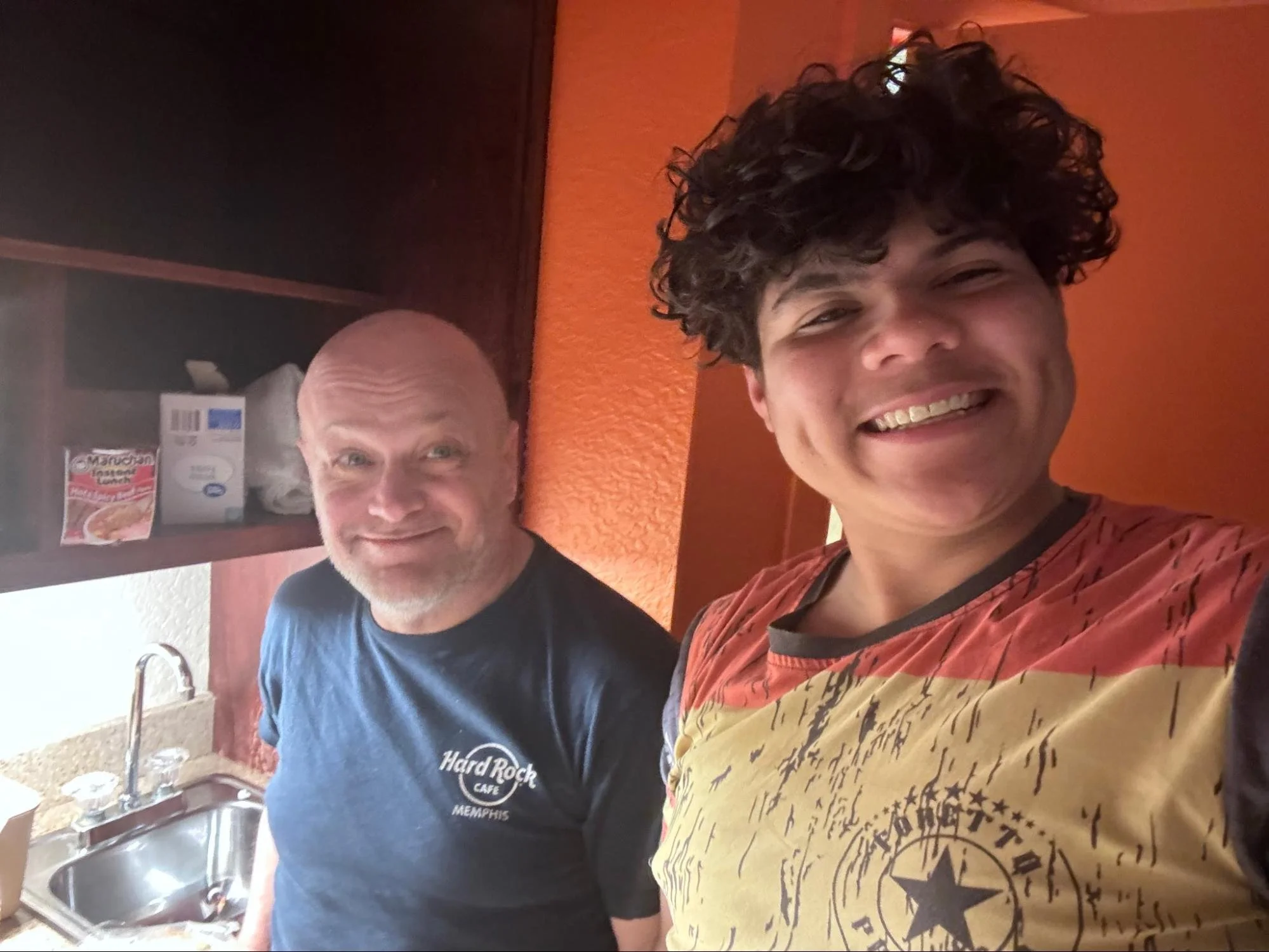
Jeff Mooneyham, a nurse practitioner, and his son, who celebrated his 19th birthday in October 2026, at home in Crossville earlier this year. (Courtesy of Jeff Mooneyham)
Jeff said he always knew he wanted to become a father. He became a foster parent, welcoming a 6-year-old boy into his home. When the boy’s birth parents’ rights were terminated, Jeff asked to adopt him.
“I asked him if I could be his dad, and he said yes,” he said.
Falling into Alabama’s health coverage gap
Jeff adopted his son a decade ago at age 9. This October, his son turned 19. That birthday flipped an administrative switch.
As his son’s deadline approached, Jeff said, he called with questions and learned his own benefits would end on the last day of October. Jeff receives coverage under Alabama’s parent and caretaker Medicaid category, which requires a qualifying child younger than 19 living in the home. Parents who lose eligibility under that category must qualify another way to keep Medicaid.
But Alabama is one of 10 states yet to expand Medicaid to cover more adults with low incomes, like Jeff. People who do not fit in the state’s existing eligibility categories can be left without Medicaid even when their incomes are too low to qualify for premium subsidies for Marketplace coverage under the Affordable Care Act. Nearly 155,000 Alabamians are in this coverage gap.
Expansion would give more adults a path to coverage without having to qualify as a parent or first establish eligibility based on disability. For Jeff, the wait for a disability decision is happening while he needs ongoing treatment and has no income from work.
For now, Jeff is using his skills as a nurse to try to find as many resources as he can without health coverage. He is comparing out-of-pocket prescription discount prices, contacting drug manufacturers about assistance and filling out financial assistance paperwork through UAB. He also is exploring whether a cheaper brand of insulin available at Walmart could help keep his blood sugar controlled when his own supply runs out.
After spending his career getting those in his community the care they needed, he said he is considering going to the same clinic where he once treated patients.
‘Stop playing politics with people’s health’
Jeff’s experience helping patients taught him where to look. But it has not given him an affordable replacement for the health coverage he is about to lose.
Even applying for help brings obstacles. Jeff said the financial assistance process requires extensive paperwork, including documentation that can be difficult to provide when he has no paycheck.
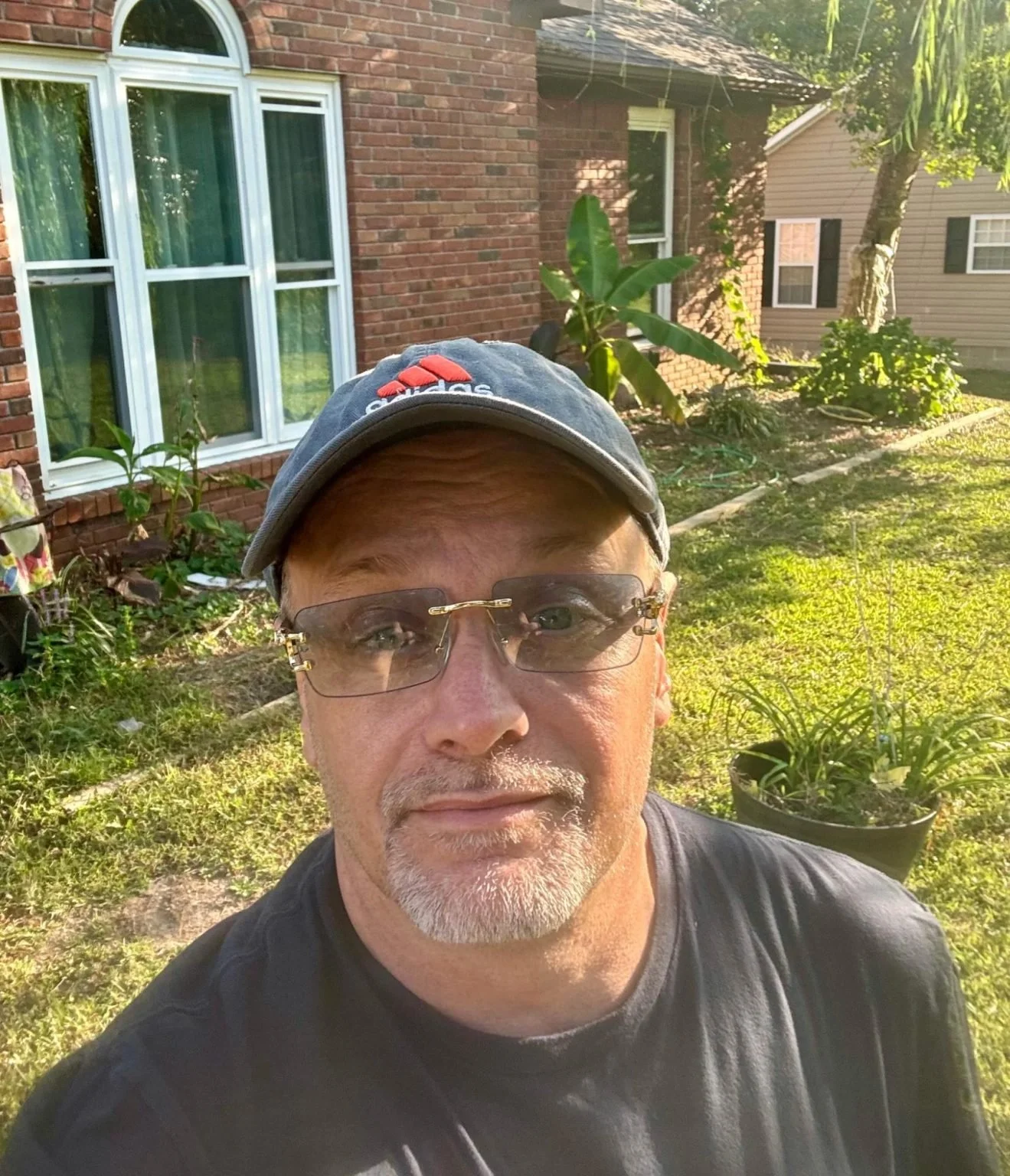
Jeff Mooneyham at home in Crossville in 2025. He said he enjoyed working in his yard and walking more than a mile a day before his health declined. (Courtesy of Jeff Mooneyham)
Jeff found the Cover Alabama coalition while searching for answers online about Medicaid. He said he decided to share his story because he wants elected officials to understand what happens when illness takes away a person’s ability to work and coverage ends while that person still needs care.
He urged politicians on both sides to “stop playing politics with people’s health.”
Jeff has spent years helping patients get what they need when they couldn’t afford it. Now he is searching those same places for the medicine and care that he needs to live.
He knows what losing treatment could mean. He is afraid he will die.
“I don’t know if I’ll make it through or not,” Jeff said.
About Alabama Arise and Cover Alabama
Whit Sides is the Cover Alabama storyteller for Alabama Arise, a statewide, member-led organization advancing public policies to improve the lives of Alabamians who are marginalized by poverty. Arise’s membership includes faith-based, community, nonprofit and civic groups, grassroots leaders and individuals from across Alabama. Email: whit@alarise.org.
Arise is a founding member of the Cover Alabama coalition. Cover Alabama is a nonpartisan alliance of advocacy groups, businesses, community organizations, consumer groups, health care providers and religious congregations advocating for Alabama to provide quality, affordable health coverage to its residents and implement a sustainable health care system.
Stories help to put a human face on the health care policy issues. By sharing your story, you help speak for people who may be facing issues just like yours.